How Much Does a Home Inspection Cost? Factors, Fees, and Value Explained
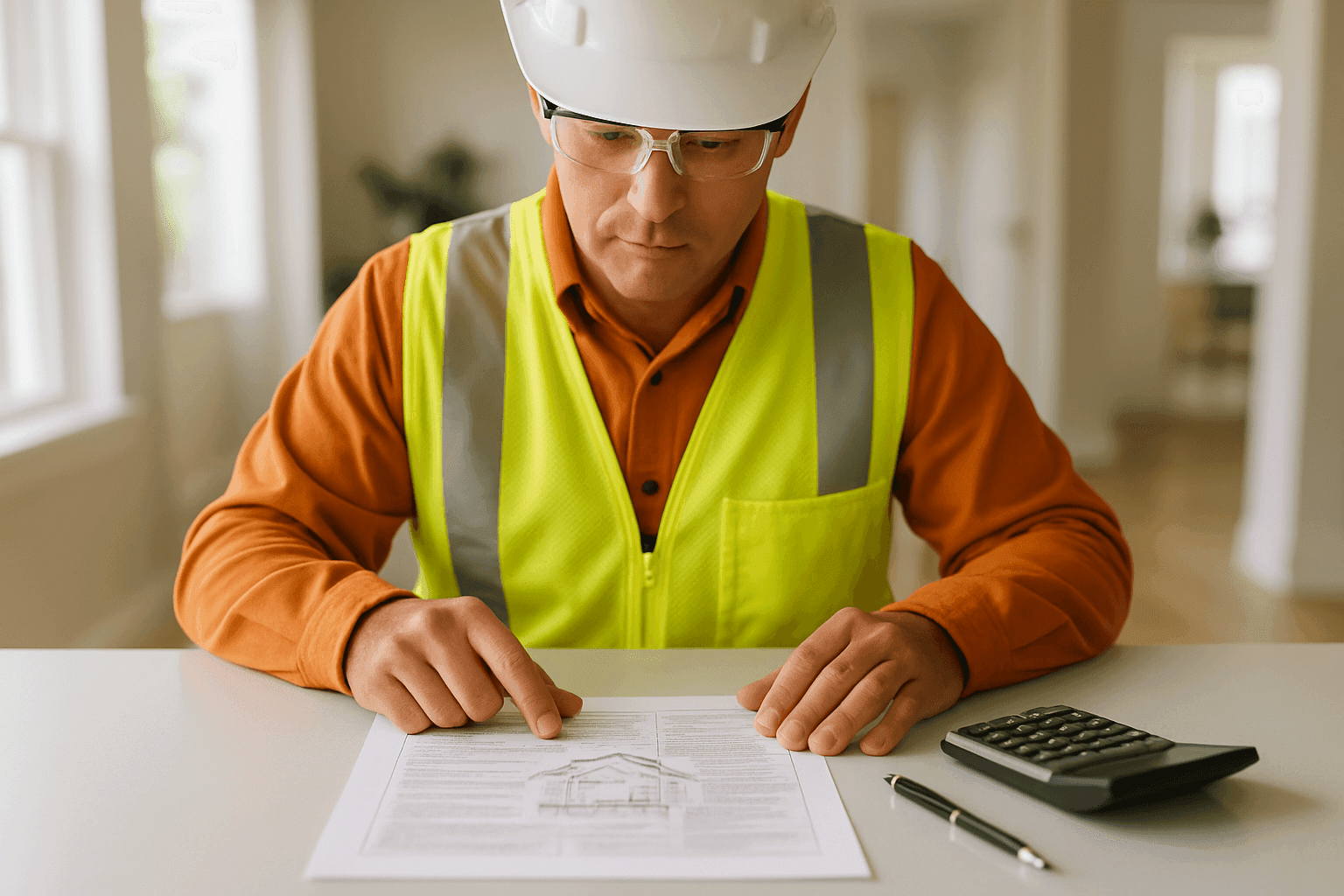
Are you about to buy a home? Maybe selling one? The question of “How much does a home inspection cost?” is more than just about numbers. It’s about peace of mind, planning, and sometimes, catching what you can’t see at a glance.
At Ashi's Inspectors, we’ve seen what happens when people skip this step. From hidden leaks behind fresh paint to a foundation quietly shifting underfoot—it’s the invisible that ends up costing the most. Let’s break down what you’re really paying for, what’s included, and what’s worth that extra look.
National Average Costs
The cost of a standard home_inspection varies, but most homeowners can expect to pay between $350 and $600. That’s the ballpark across most of the U.S., according to the American Society of Home Inspectors (ASHI) and the U.S. Department of Housing and Urban Development (HUD).
- For smaller condos or townhomes, fees may dip closer to $300.
- For larger single-family homes, the price can rise above $600—sometimes much more for properties with lots of extras.
Why the range? Because no two houses are twins. Age, size, and special features all play a role. And location can nudge the numbers up or down too.
Tip: A professional home_inspection is typically a one-time, upfront cost. But it can save you thousands by revealing problems before they become disasters.
Factors Influencing Price 🏠
Not all homes are created equal—and neither are inspection costs. Here’s what can bump up (or bring down) your final fee:
- Size of the Home: Bigger homes take more time to inspect. More rooms, more nooks and crannies.
- Age of the Property: Older homes might have more “character,” but they also hide more surprises—think lead paint, outdated wiring, or aging basements.
- Add-On Services: Need an Energy Efficiency Inspection near you? Or well water, radon, or sewer scope checks? Each adds a layer of detail—and cost.
- Location: Some regions have higher average prices due to demand, travel, or local code requirements.
- Type of Structure: Basements, attics, crawl spaces, pools, detached garages, and decks all require extra attention.
Certain homes just take longer. A 50-year-old farmhouse with a well and a septic system needs more than a quick walk-through.
Optional Specialized Inspections
The standard home_inspection is thorough, but it can’t cover everything. Some issues require specialized tools and training. Here are common add-ons you might need:
- Radon Testing: Radon is a colorless, odorless gas and a leading cause of lung cancer. The EPA recommends testing, especially in certain regions.
- Mold Inspection: Not just for allergy sufferers—mold can damage structures and indicate leaks.
- Sewer Scope Inspection: Especially helpful for older homes or those with large trees. A small camera checks for blockages or breaks in the line.
- Lead Paint Inspection: Required for homes built before 1978 in many areas. Lead paint is a major health hazard.
- Asbestos Inspection: Older homes may have asbestos in insulation, flooring, or siding.
- Termite Inspection: Wood-destroying insects can quietly eat away your investment.
- Well Water and Septic System Testing: Essential for rural properties.
Each of these services is an extra fee, but sometimes a necessity. If your dream home has a pool, ask about a Pool and Spa Inspection. If it’s got a chimney, consider a Chimney Inspection. Don’t skip what matters just to save a few dollars up front.
Value vs. Cost
It’s natural to focus on the price tag. But what do you actually get for that fee?
A home_inspection is a snapshot in time. It captures the visible condition of the home’s structure, systems, and components. The inspector checks things like:
- Roof and gutters
- Foundation and basement
- Electrical panels and wiring
- Plumbing fixtures and visible pipes
- Heating and cooling systems (HVAC)
- Attic and insulation
- Appliances
- Windows and doors
- Decks, patios, and garages
This is not a pass/fail test. Instead, you get a detailed report—usually the same day or within 24 hours. It flags what’s safe, what’s not, and what could become a problem.
What’s not included? Hidden defects behind walls, underground piping, or anything that would require tearing the house apart to inspect. Specialized inspections (like for mold or sewer lines) are always extra.
Think of a home_inspection as hiring a seasoned mechanic to look under the hood before you buy a used car. Would you skip that step on your biggest investment?
Common Misconceptions
Let’s clear up a few myths:
- “A home_inspection guarantees nothing will go wrong.” False. It’s a snapshot, not a warranty.
- “The inspector will find every single problem.” They’ll find what’s visible and accessible. No one has X-ray vision.
- “Inspections are only for buyers.” Sellers benefit too—fixing issues before listing can boost value and speed up sales.
- “All inspectors are the same.” Certification, experience, and thoroughness vary. Look for inspectors who follow recognized standards (like ASHI or InterNACHI).
What’s Included in a Standard Home Inspection
- Structure (foundation, walls, roof, floors, ceilings)
- Electrical system (panels, outlets, visible wiring)
- Plumbing system (fixtures, visible pipes)
- HVAC (heating, ventilation, air conditioning)
- Interior (walls, ceilings, floors, doors, windows)
- Exterior (siding, trim, porches, balconies)
- Attic, crawl space, and insulation
- Garage and driveway
- Built-in appliances
Not included: Cosmetic defects, landscaping, underground pipes, or anything requiring invasive techniques.
When an Inspection Costs More
Certain situations will bump up your bill:
- Very large homes (over 3,000 square feet)
- Older properties with outdated systems or hazardous materials
- Multiple outbuildings (barns, workshops, guest cottages)
- Specialty features (pools, spas, solar panels, fireplaces)
- Travel distance for homes far from major metropolitan areas
If the home needs more than just a flashlight and a clipboard, expect a higher fee.
Practical Tips for Budgeting
- Call ahead: Get a written estimate based on your property details.
- Ask about add-ons: Not every inspection includes radon, mold, or sewer scope.
- Bundle services: Some inspectors offer package pricing if you need multiple checks.
- Factor it into your offer: Sometimes buyers ask sellers to cover inspection costs—especially if issues are found.
Why Certified Inspectors Matter
Anyone can claim to be an inspector. But not everyone follows the rigorous standards set by groups like the American Society of Home Inspectors (ASHI) or the International Association of Certified Home Inspectors (InterNACHI).
Certified inspectors:
- Stay current with building codes and safety guidelines (see HUD and EPA resources)
- Carry liability insurance
- Use professional tools and software
- Provide clear, unbiased reports
Your investment deserves more than a quick look. Make sure your inspector is qualified.
Budget Checklist for Your Next Home Inspection 📋
- [ ] Standard home_inspection fee ($350–$600 average)
- [ ] Add-ons as needed (radon, mold, lead, asbestos, sewer, pool, etc.)
- [ ] Additional outbuildings or specialty features
- [ ] Travel fee (if outside standard service area)
- [ ] Re-inspection fee (if you need a second look after repairs)
- [ ] Total budget: Add these up before making an offer
Frequently Asked Questions
How long does a home_inspection take?
Most inspections take 2–4 hours, depending on the size and age of the home.
Should I attend the inspection?
Absolutely. It’s your chance to see issues firsthand and ask questions.
What if the inspector finds a problem?
You can negotiate repairs or price reductions with the seller—or walk away if the problems are too big.
Is a home_inspection required by law?
Not always, but most lenders and real estate professionals strongly recommend it. Some specialized tests (like lead paint or septic) may be required in certain areas.
Where Your Money Goes
It’s easy to see the cost on paper and wonder if it’s worth it. The truth? A thorough inspection can reveal hidden issues—some minor, some that save you from a money pit.
And if everything checks out? You get peace of mind that’s hard to put a price on.
Ready to Schedule?
Don’t roll the dice on your biggest investment. At Ashi's Inspectors, we’re committed to clear, honest home_inspection services—so you know what you’re buying, before you sign.
Call Ashi's Inspectors now — or reach us anytime at 877-741-4181 .